Stop the Scam: How to Spot a Duplicate Listing
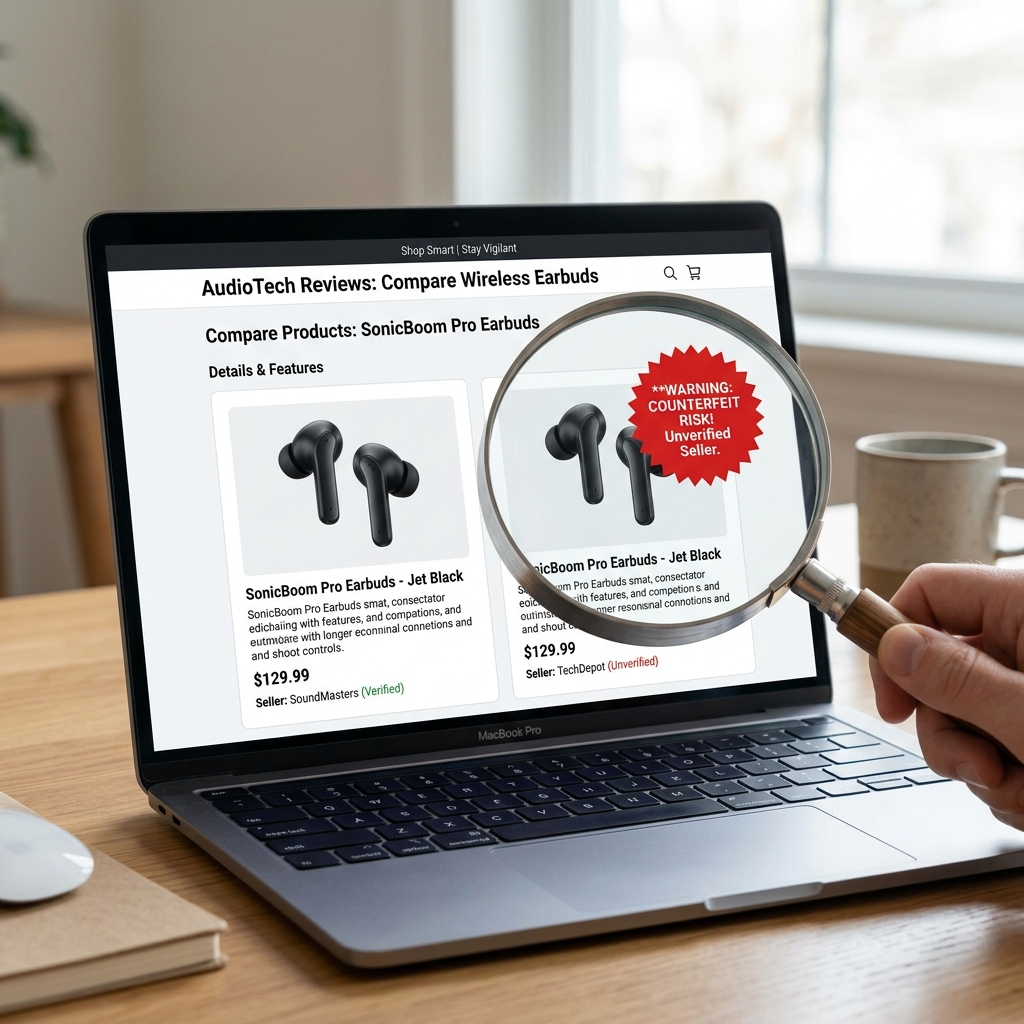
The modern internet is full of "ghost retailers"—shops that don't own inventory, but instead list products from other sites at a huge markup. When you buy, they simply place an order at the original site with your shipping info. You overpay, and they keep the profit. Other models involve finding a cheap good, slapping their branding on it (optionally), and selling it to you with an exorbitant price tag. At SensiBuy, we hate how easy it is to profit with these strategies. One of our primary goals is to cut out the unnecessary middleman for online shoppers.
Common Markup Methods
To understand what consumers should look out for, we first need to look at the most frequently used middelman models:
- Dropshipping: One of the biggest buzzwords in the e-commerce space, dropshipping is a retail fulfillment method where a seller transfers the orders they receive to another party, who then fulfills the order. The ones fulfilling your order are actually a separate entity- be that a manufacturer, wholesaler, or retailer. That means you basically paid the dropshipper to connect you to someone else, and it's almost never at a fair rate. Because the seller doesn't have to worry about inventory, they can focus exclusively on marketing and sales, notably bearing practically zero start-up costs. However, the potency of this model is toxic for buyers. Dropshipping is plagued by long shipping times, unsuccessful fulfillment, and poor quality control. Sometimes, the product you get isn't at all what you ordered—another symptom of selling products that do not exist at the time of purchase. The success of dropshipping has created an ocean of middlemen fighting for your attention, all trying to sell you the same product that you could go purchase directly.
- Amazon FBA: FBA stands for Fulfillment by Amazon. How it works is a seller will send their goods to an Amazon facility, make the listing, and let Amazon handle everything else. Outsourcing fulfillment to Amazon is, at the very least, far more professional than dropshipping, as the inventory is accounted for at the time of your purchase and Amazon offers fast shipping times. Not all FBA sellers are middlemen, but the model is incredibly attractive to those who are. Amazon doesn't check where the seller found the product or how much they paid for it. This means that as long as a seller can afford the startup cost, they can mark up whatever cheap product they found on a primary supplier's catalog and call it their own.
Spotting the Red Flags
So how can you tell if you're looking at a product that's being sold at a markup?
- Type of Product: We need to understand what is most commonly resold through dropshipping and FBA. Small consumer goods, primarily consisting of plastics, are prime candidates. Many of these products are manufactured in China, and can be bought for extremely cheap. A good way to check for examples of these would be to visit a retailer like aliexpress.us. A large portion of the products being sold for markups have similar appearances, but a varying set of attachments or add-ons that are intended to set them apart from other copies. Seeing a product with multiple small attachments that are not necessary for basic function is a dead give-away.
- Images: Overly generic images, or a lack of images available at all, can be sure signs of a markup. If the listing claims to be a branded product, but the images do not fit the description and show no sign of branding, you know it's fishy. The most telling, however, is when the images of the product-in-use contain either fake effects or are a combination of multiple images instead of a proper stock photo.
- Shipping Time: "14-21 days" often means the item is being dropshipped. If the seller claims to be domestic, there is little reason, beyond being too large/heavy, for shipping to take over 12 days... ever.
-
Reviews: Because the entire focus of a middleman
is to make you comfortable buying from them, many utilize
fake reviews. To properly analyze a review's legitimacy, you
should analyze it as a whole; you need to search for patterns that
the seller was too lazy to break up. Any time reviews are too
similar, you should consider them faulty. Best patterns to look
out for:
- Profile Name: Are all of the reviewer names First name, Last name? Do some contain numbers? Are the length of numbers the same between reviewers? Are the numbers in the same spot? Is there unique capitalization?
- Profile Picture: Are all of the reviewer pictures a Google-style letter default? If you reverse image search the photos of people, do they show up on Google Images?
- Spelling, Grammar, and Punctuation:Is there a mix between good and bad spelling? Do all the reviews end with a period? How about exclamation points? Do they all start their sentences with a capitalized letter?
- Content:Are the reviews generic? Do they all seem to be about the same topic? Do they all sound like they were written by the same person? Is there a mixture of sentiment?
- Images: Do any reviews include images? Do the images have different lighting?
How SensiBuy Helps
SensiBuy was made to check for duplicate listings, and specifically searches common sources where middlemen source their products, such as aliexpress.us. When you use SensiBuy, you don't have to worry about getting scammed by middlemen—we bring you to the source.
Your browser's an incredibly powerful tool, so let us supercharge it. Install SensiBuy, the ultimate shopping assistant tool, and never pay a "middleman tax" again.