Price Extension vs. Shopping Assistant: What's the Difference?
In a world flooded with "deals," understanding the tools you use can save you thousands. We dive into why the future of shopping isn't just a tracker—it's an assistant, and how traditional price trackers and coupon finders may actually be working against you.
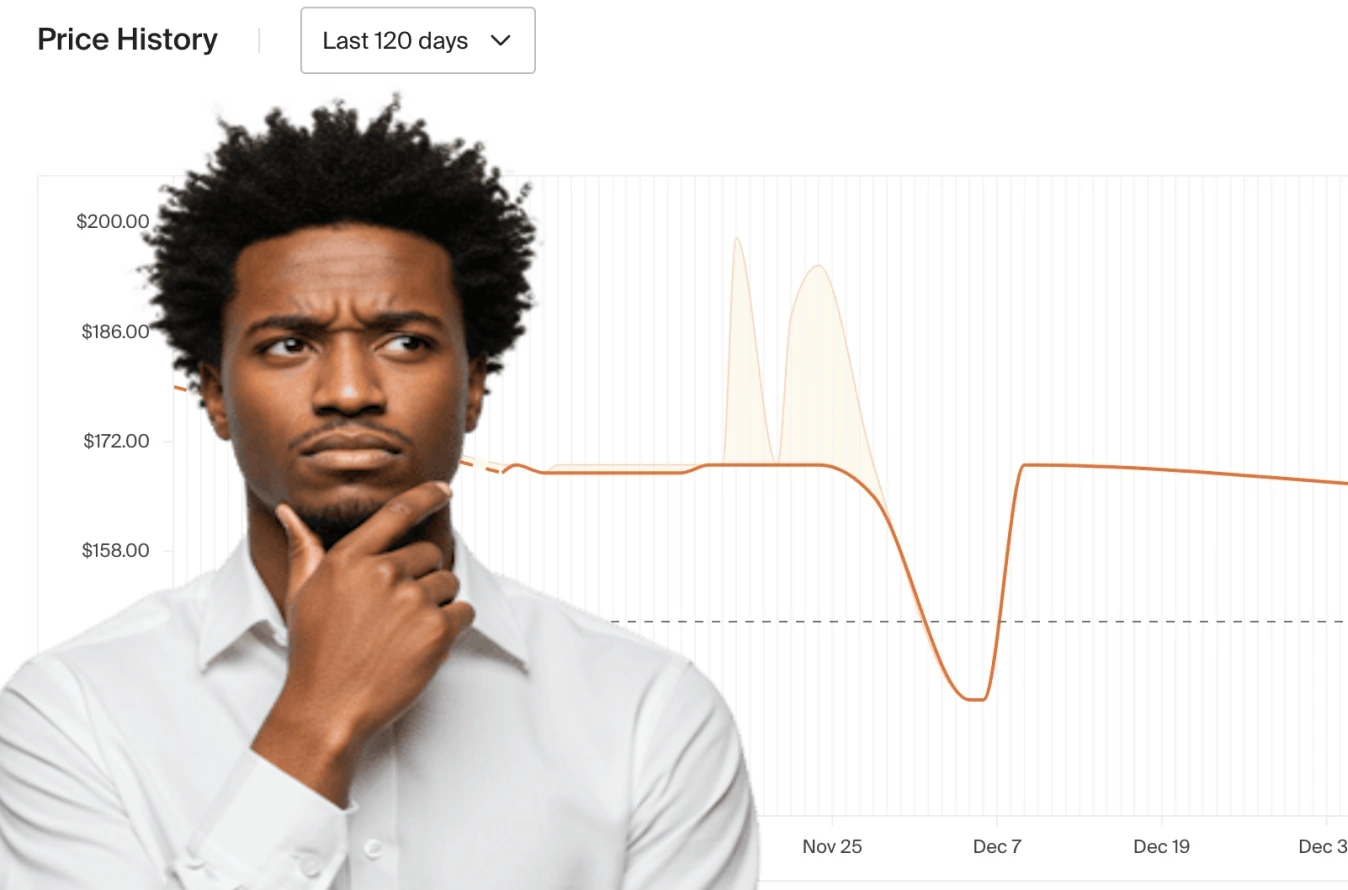
For years, the price extension has been a staple of the savvy shopper's browser. You know the ones: they sit in the corner, occasionally flashing a "coupon found!" badge or showing you a graph of how a product's price has fluctuated. They are useful, certainly, but in 2026, they are becoming relics.
Limits of the Price Tracker/Coupon Finder
The fundamental problem with traditional price comparison extension tools is that they are reactive. Their goal is to encourage you to buy the product you're already looking at by making you feel comfortable. Wow! This price is stable, and we can get you $1.00 off! All the while neglecting to tell you that you're looking at a terrible deal. Yes, saving a dollar is great, but with a few minutes of research, you could likely save far more.
Price tracking extensions capitalize off of your laziness—they want you to enter checkout as soon as possible so that they can get credit for your purchase, generating themselves a profit. Sometimes, coupon checkers will even leave fake coupon codes that they know are expired in their catalog. Why? Because the coupon codes are applied at checkout. Once you're there, even if they don't save you any money, they get credit for your purchase.
Anyways, let's be honest; looking at a graph of a product's price history is hardly going to change your mind. If you're shopping for something, you want it now. I would love to meet the imaginary people who set price alerts and simply wait for a product to go on sale. If it's not a product that's chronically on sale, setting an alert is just silly. Many of us have added items to an Amazon wishlist... and then never looked at it again. Even when you do check back in on a wishlisted item, the price change is practically always an increase. And that makes sense; consumer goods are expected to rise in price due to inflation—even if that's only a justification for corporate greed, it happens. That's why it's better to find the best deal now.
Enter the Shopping Assistant
SensiBuy doesn't just find you coupons, it's a full-on shopping assistant extension. As a shopping assistant, its goal is to find the best place to purchase the item you want, not just a place where we will profit from recommending them to you. SensiBuy uses the context you enter to search the web on your behalf. Instead of slogging through Google Shopping's terrible UI or sifting through AliExpress's catalog of irrelevant junk, you can let SensiBuy handle it.
- Markup Detection: Our dupe finder logic allows us to find products that are sold for less under a different brand name.
- Total Cost Analysis: SensiBuy's advanced price comparison method accounts for shipping, quantity, and other factors when possible.
- Relevance Scanning: Every search result is vetted to reduce "I wasn't looking for that" moments.
"A price history extension tells you how much something costs. A shopping assistant tells you where it costs less."
Which One Do You Need?
If you don't care about overpaying on a brand name, a basic price extension might suffice. But for the modern consumer, a price comparison tool that understands the nuances of the web is essential.
By choosing SensiBuy, you're not just installing a price extension; you're hiring a private concierge to search the web for you. It's time to stop tracking prices and start shopping with intelligence using the ultimate shopping assistant extension.